
How to Build a Resilient Back: Why Daily Movement Matters More Than Your Workout

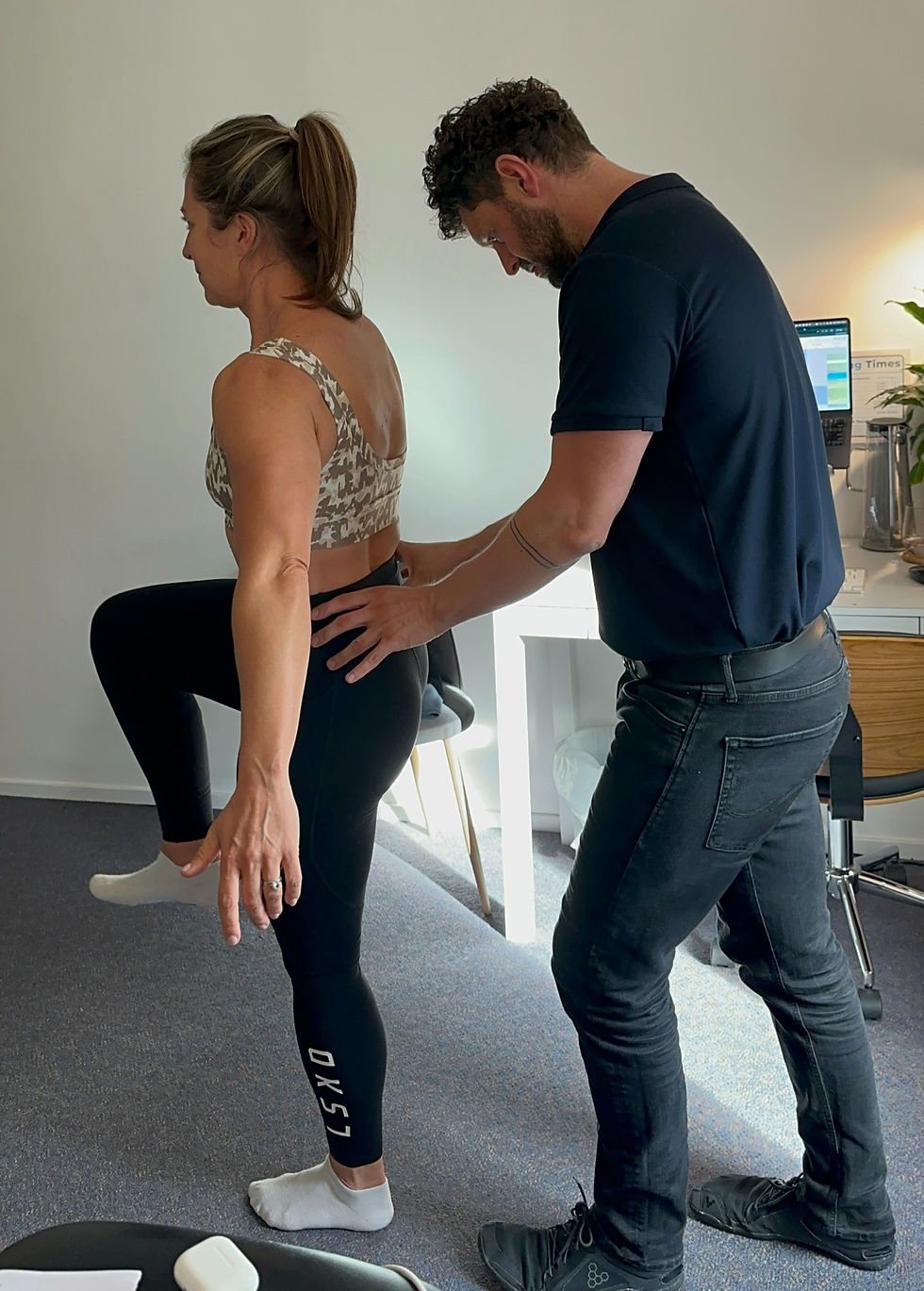
You're already putting in the work.
You stretch.
You foam roll.
You've added a few exercises you found online.
You're trying to be more consistent with your warm-ups.
And some of it helps.
For a bit.
But the stiffness keeps coming back.
The tightness returns.
And the effort doesn't seem to translate.
Here's the thing most people miss. Back resilience isn't built in a ten-minute mobility session. It's built in how your body is used across the whole day.
At TT Chiropractic & Remedial Massage in Surry Hills, Sydney, we work with active, desk-based professionals every week who are doing the right things but still feel stuck. This post breaks down why, and what to focus on instead.

Back resilience is the capacity of your back to handle load, recover well, and adapt over time. It's built more by frequent movement throughout the day than by the intensity of a single workout. Variety of movement, smooth transitions between rest and effort, and responding early to stiffness all matter more than most people realise.
Prefer to watch?
Trent and Thiago break this down in full below.
What Does a Resilient Back Actually Mean?
Resilience gets thrown around a lot, so let's be specific.
A resilient back is not a back that never gets sore. That isn't realistic, and it isn't the goal.
A resilient back is one that can handle the demands you place on it, recover well between those demands, and adapt over time rather than break down.
It's the capacity to load, recover, and keep functioning.
That distinction matters. A lot of people chase the absence of any discomfort, which can make them more cautious, more avoidant, and over time, less resilient. A resilient back moves well, recovers well, and handles variety.
Why Does Movement Frequency Matter More Than Intensity?
This is the one that surprises people most.
We live in a culture that values intensity. More effort equals more results. And in some contexts, that's true. But when it comes to back resilience, frequency of movement across the day is more impactful than the intensity of any single session.
Here's why.
The joints, muscles, and connective tissue of the lower back respond well to regular, low-level movement. That movement keeps joints lubricated. It maintains blood flow to the surrounding muscles. It signals to the nervous system that the body is active and needs to stay responsive.
When you compress all your movement into one hour and then sit for the remaining seven or eight, the body doesn't distribute that benefit across the day. It gets a spike of activity, then a long stretch of adaptation back to stillness.
This is why genuinely fit, genuinely strong people can still have persistent back issues. The training hour is great. The other fifteen waking hours often aren't.
Motion is lotion. The back stays well when it's moving regularly, not just intensely.
How Does Movement Variety Build a Stronger Back?
The lower back is designed to move in multiple directions. Flexion, extension, rotation, and lateral movement. All of them matter.
What tends to happen with people who sit a lot and then train is that their movement becomes narrow. Lots of forward and back. Lots of flexion and extension. Very little rotation. Very little lateral movement.
Even if you're exercising consistently, if you're always working the same patterns, you're not building full resilience. You're building capacity in specific patterns only.
Variety doesn't have to come from a complex program. It can come from changing positions throughout the day. Standing for a bit. Walking. A few gentle rotations at your desk. Movements that take the spine through ranges it doesn't get in a standard training session.
More variety, not necessarily more volume.
What Habits Quietly Erode Back Resilience?
The habits that take resilience away are usually not dramatic. They're small, repeated things that accumulate quietly.
Sustained stillness. Long, unbroken periods of sitting reduce the body's ability to manage load and recover efficiently. Most people don't notice it happening because it's gradual.
Skipping transitions. Going directly from a sedentary state into high-demand movement without giving the body time to prepare. Eight hours at a desk then straight into a deadlift. Waking up and going hard before the body has warmed up. The warm-up is the transition. When it gets skipped, a real buffer disappears.
Ignoring early signals. The afternoon tightness. The stiffness before training. Pushing through without a two minute reset feels harmless in the moment, but it compounds.
What Most People Miss About Back Resilience
Something we notice consistently in clinic is that the people with the most resilient backs are not always the ones who train the hardest.
We assume more fitness equals more resilience. It's correlated. But it's not the same thing.
The people whose backs handle load really well tend to be the ones who move consistently across their day. They stand more. They walk more. They take breaks. They change positions.
They're not doing more exercise. They're just less still.
When you compare that to someone who trains intensely but then sits completely still for the rest of the day, the difference in how the back responds over time can be significant.
It's not about getting it perfect. It's about being intentional.

Things you can start doing this week.
Set a timer for every thirty to forty-five minutes and take a short movement break. A walk for water. Hip circles. A gentle spinal rotation at the desk.
Build a ten minute transition into your training. Hip flexor work, glute activation, gentle spinal movement. Especially if you sit all day before the session.
Add rotation and lateral movement to your week. If your training is mostly forward and back, look for small ways to move sideways and around.
Respond to early signals. Afternoon tightness or pre-training stiffness is information. Two minutes of movement is often enough.
Stand more often through the day. Use a standing desk if you have one, or just stand for calls and reading.
Walk after lunch. Ten minutes is enough to reset the hips and lower back.
Stop treating the gym session as the whole solution. It's one input. The rest of the day matters just as much.
When to Consider Getting Help
If you've been doing the right things and the stiffness keeps coming back, that's a useful signal.
It can be worth getting assessed when:
Stiffness returns within hours or days of your routine
The same area keeps flaring up despite consistent effort
You're not sure whether the movements you're doing are right for your specific body
Training is being affected, or you're starting to avoid certain movements
Effort in the wrong direction doesn't build resilience. It just keeps you busy. Knowing what your body specifically needs is what changes the outcome.

If you're already putting in the effort but your back isn't responding the way you'd expect, getting clarity on what's actually going on can make all the difference.
At TT Chiropractic & Remedial Massage in Surry Hills Sydney, we start every patient with a proper assessment.
We look at how your back is moving, where the restrictions are, and what your specific body needs.
From there, chiropractic care, remedial massage, or a combination of both can support you in building real resilience over time.
Your back was made to move.
Let's make sure you're giving it what it actually needs.
No fluff. Just care that works. 💙
FAQ
What is back resilience?
Back resilience is the capacity of your back to handle load, recover between demands, and adapt over time. It isn't about being pain-free at all times. It's about how well your body bounces back.
Is stretching enough to build a resilient back?
Stretching can help, but it isn't enough on its own. Resilience comes from frequent movement throughout the day, variety in how you move, and smooth transitions between rest and load.
How often should I move during the day to support my back?
A short movement break every thirty to forty-five minutes is a useful starting point. The goal is to interrupt long stretches of stillness, not to add a structured routine.
Why does my back feel worse on days I sit a lot, even if I trained that morning?
The body adapts to whatever position it spends the most time in. A morning training session doesn't cancel out hours of sitting afterwards. Movement across the day matters as much as the workout itself.
Should I always warm up before training, even if I'm short on time?
A short, specific warm-up is worth the time. It gives the body a chance to shift from a sedentary state to a loaded one. Skipping it removes a real buffer.
When should I see a chiropractor or remedial massage therapist for back issues?
If your stiffness keeps coming back despite consistent effort, the same area keeps flaring up, or training is being affected, a proper assessment can clarify what your body specifically needs.
Where is TT Chiropractic & Remedial Massage located?
We're at Suite 401, Level 4, 88 Foveaux Street, Surry Hills NSW 2010. Five minutes from Central Station.
Follow us on Instagram and Facebook for more tips, updates, and special offers! Let’s work together to correct your posture, ease your back pain, and improve your quality of life.
Head to our booking page or call 0403 579 729 to book your appointment today! We’re located in Surry Hills, just a 5-minutes walking from the Central Station.


